

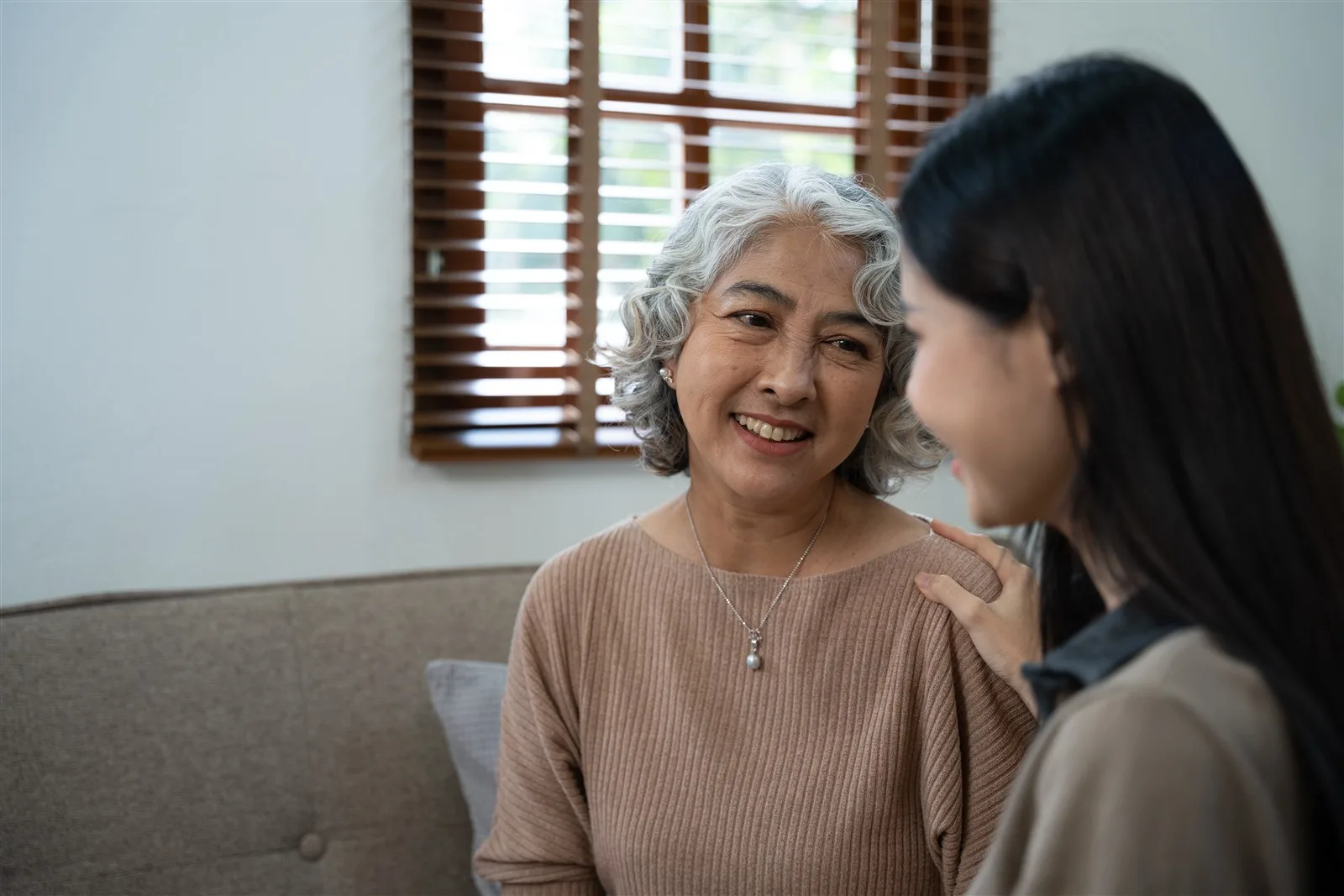


Christmas is often the first time in months that families spend a few days under the same roof. It is also when many people notice that a parent is not managing quite as well as they were. Perhaps the fridge was emptier than usual, or Dad seemed more tired, or Mum mentioned a fall she had not told anyone about.
If something has worried you, you are not alone, and it does not have to mean a big change. Often a few hours of support a week is enough to help an older person stay safe and independent in their own home. Here are ten signs to look out for, and what you can do next.
1. Changes in personal hygiene
Wearing the same clothes for several days, unwashed hair or a reluctance to bathe can be a sign that getting in and out of the bath or shower has become difficult or frightening. It is rarely about not caring. More often it is about stiffness, balance or worry about slipping.
2. Weight loss or an empty fridge
Out-of-date food, very little fresh food, or noticeable weight loss can mean that shopping and cooking have become hard work. Some older people simply lose interest in cooking for one.
3. Missed medication
Full blister packs at the end of the week, or tablets scattered on the side, suggest that medication is being missed or taken at the wrong times. This is one of the most important signs to act on.
4. Falls, bruises or near misses
Unexplained bruises, a new reluctance to use the stairs, or holding on to furniture to get around are all signs that someone may be at risk of falling. Many people do not mention a fall because they do not want to worry their family.
5. A home that is harder to keep
Piles of washing, unopened post, a garden that has been left or a house that is less tidy than it used to be can all mean that everyday jobs have become too much.
6. Unpaid bills and missed appointments
Letters left unopened, reminder notices or forgotten GP and hospital appointments can point to memory problems or simply to feeling overwhelmed.
7. Memory and confusion
Everybody forgets things. But repeating the same question, getting lost on a familiar route or muddling days and times may be worth talking to the GP about. Our guide to dementia care in Saffron Walden explains how care at home can help.
8. Withdrawing from friends and activities
Giving up clubs, church, the weekly coffee in town or phone calls with friends can be a sign of loneliness, low mood or difficulty getting out. Loneliness has a real effect on health, especially through the long winter months.
9. Mobility getting worse
Struggling to get out of a chair, taking much longer to get dressed, or not going upstairs to bed any more are all signs that a little practical help could make daily life safer and easier.
10. You are worried, and so are they
Sometimes there is no single sign, just a feeling that things are not right. Trust that feeling. Often the person themselves is relieved when someone finally raises it.
What to do next
Start with a gentle conversation. Talk about what would make life easier rather than what they can no longer do, and involve them in every decision. Many older people are much more open to “someone to help with the shopping and a chat” than to “a carer”.
Next, think about what kind of help would make the most difference:
- Personal care: help with washing, dressing, getting up and going to bed.
- Companionship and home help: shopping, meals, housework, outings and company.
- Dementia care: patient support built around familiar routines.
It is also worth checking whether your parent can claim Attendance Allowance, a benefit for people over State Pension age who need help with personal care. It is not means-tested.
How Here to Care can help
Here to Care is a local, family-run home care agency based in Saffron Walden, supporting older and disabled adults in the town and surrounding villages. Our carers visit seven days a week, between 7am and 10pm, and every care plan is built around the person, their routines and what matters to them. We are rated Good by the Care Quality Commission in all five areas.
If you have noticed some of these signs, we are happy to talk it through with no obligation. Call us on 01799 218190 or get in touch online.


0 Comments