

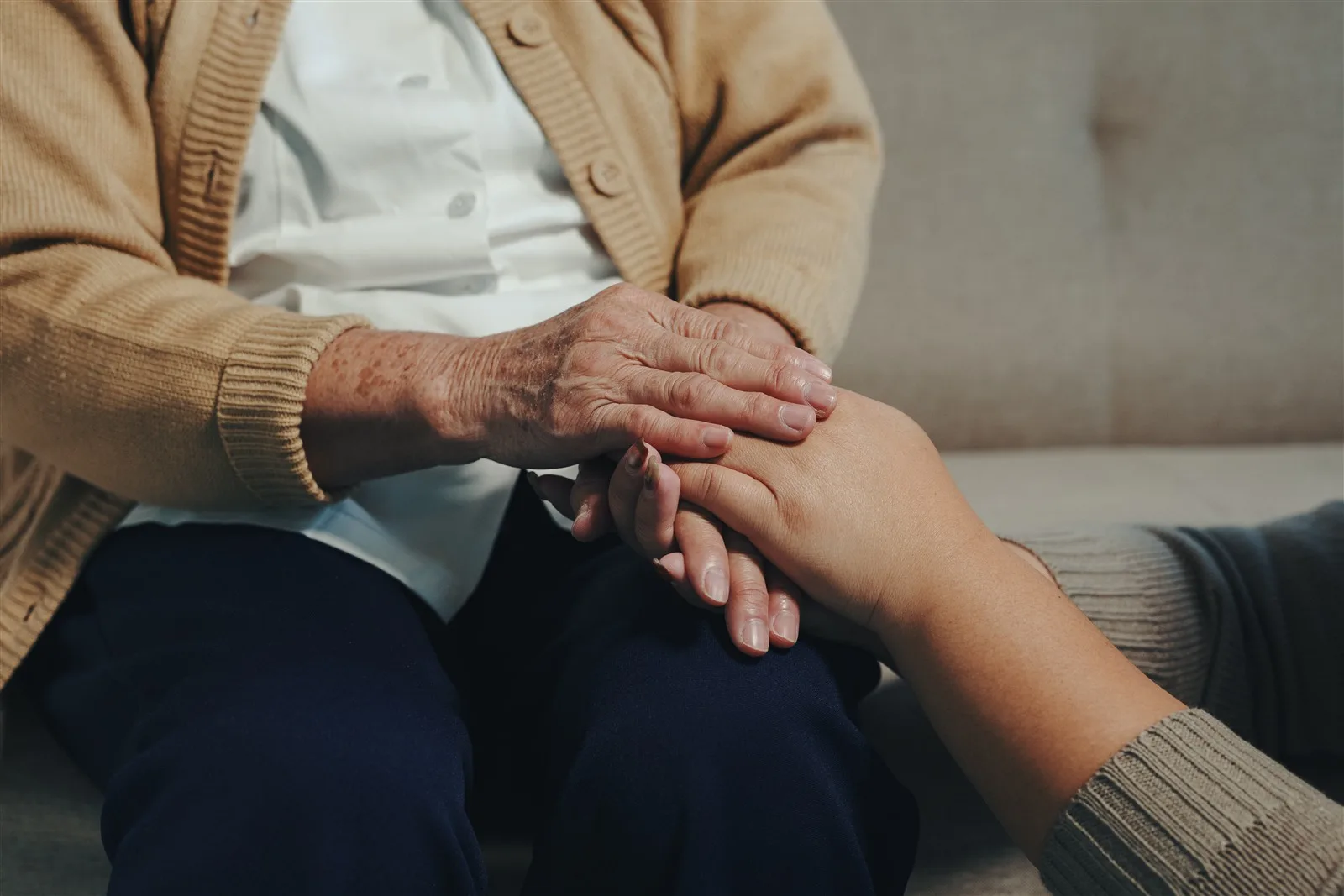


When asked, most people say they would prefer to spend their final weeks and days at home, surrounded by familiar things and the people they love. With the right support, that is often possible. This guide explains what end of life care at home involves and how families can prepare.
It can be a hard subject to read about. Take it at your own pace.
What is end of life care?
End of life care is support for people who are in the last months, weeks or days of life, and for the people close to them. Its aim is to help someone be as comfortable as possible, to respect their wishes, and to support the family through a very difficult time.
Who is involved?
End of life care at home usually involves several people working together. The GP and community or district nurses look after medical needs, symptom control and medication. Hospice teams may offer specialist advice and support. Home care workers help with personal care and everyday comfort. Family and friends are at the centre of it all.
Planning ahead
If possible, it helps to talk early about wishes and preferences. Things to think about include:
- where the person would like to be cared for, and where they would like to die;
- who they would like with them;
- any treatments they would or would not want;
- spiritual or religious wishes;
- practical matters such as a Lasting Power of Attorney and a will.
The GP can help record these wishes in an advance care plan, so everyone involved knows what matters most.
Practical help at home
- A hospital-style bed and other equipment may be provided through the community nursing team.
- Many families move the bed downstairs, close to a bathroom and the rest of the household.
- Keep a list of contact numbers, including the GP, district nurses and out-of-hours services, somewhere easy to find.
Financial help
Under the special rules for people nearing the end of life, benefits such as Attendance Allowance are fast-tracked and paid at the higher rate. Some people are also eligible for NHS Continuing Healthcare, including fast-track funding at the end of life. Ask the GP or nursing team.
How home carers help
Home carers provide the hands-on, everyday care that keeps someone comfortable and treated with dignity:
- washing, mouth care and changing clothes and bedding;
- helping to change position and get comfortable;
- support with eating and drinking, however little;
- support with medication;
- company, a calm presence and reassurance;
- giving family members time to rest, eat and sleep.
Looking after yourself
Caring for someone at the end of life is exhausting, physically and emotionally. Accept help, take breaks when you can, and remember that hospices and charities such as Marie Curie offer support for families, including after a death.
End of life care in Saffron Walden
Here to Care provides end of life care at home across Saffron Walden and the surrounding villages. We fit our visits around the family, so that time together can be spent together, rather than on care tasks. We are rated Good by the Care Quality Commission in all five areas.
If you would like to talk, please call us on 01799 218190.


0 Comments